



Citrus reticulata Blanco
Alias: mandarin
-
Citrus reticulata Blanco (32)

- 1
- 2
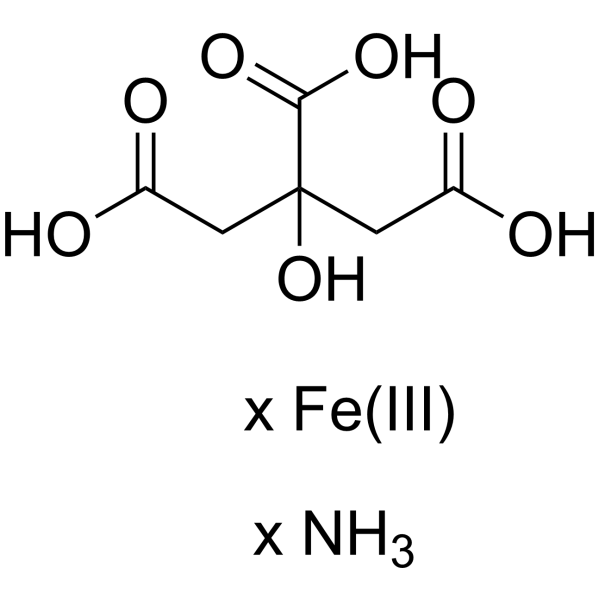
- Formula: C6H8O7.xFe.xH3N
Ammonium iron(III) citrate (Ammonium ferric citrate), a physiological form of nonetransferrin-bound iron, induces intracellular iron overload to cause ferroptosis. Ammonium iron(III) citrate can enhance protein production.
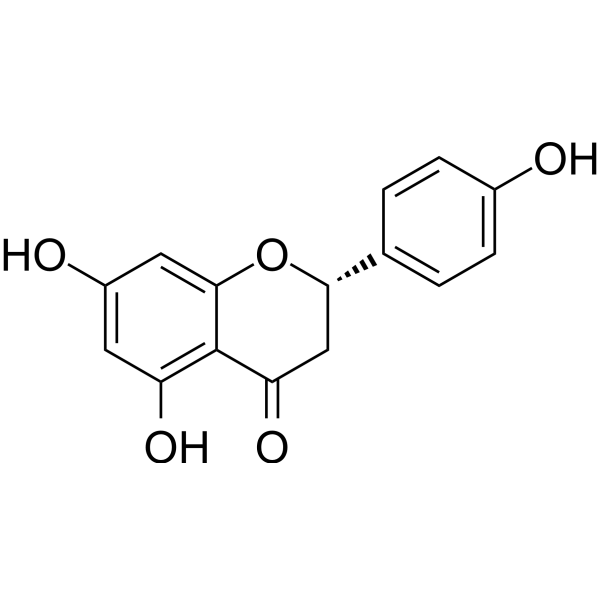
- Formula: C15H12O5
- Molecular Weight: 272.25
Naringenin is the predominant flavanone in Citrus reticulata Blanco; displays strong anti-inflammatory and antioxidant activities. Naringenin has anti-dengue virus (DENV) activity.
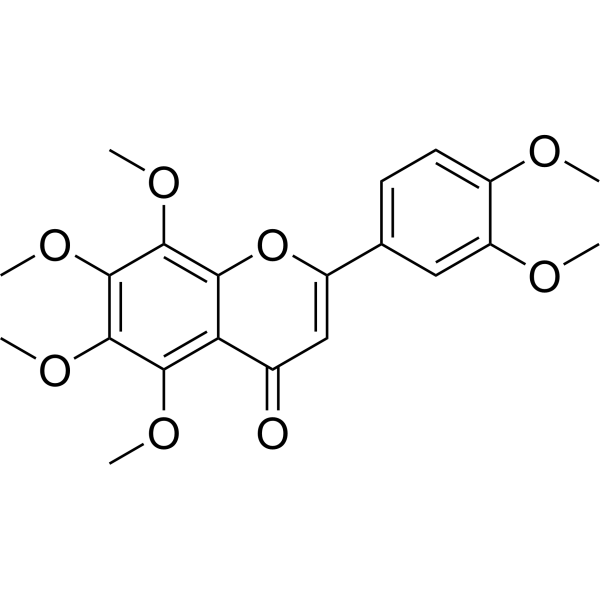
- Formula: C21H22O8
- Molecular Weight: 402.39
Nobiletin is a poly-methoxylated flavone from the citrus peel that improves memory loss. Nobiletin is a retinoid acid receptor-related orphan receptors (RORs) agonist. Nobiletin can reduce reactive oxygen species (ROS) levels in differentiated C2C12 myotubes and has anti-inflammation and anti-cancer properties, including anti-angiogenesis, anti-proliferation, anti-metastasis and induced apoptosis.
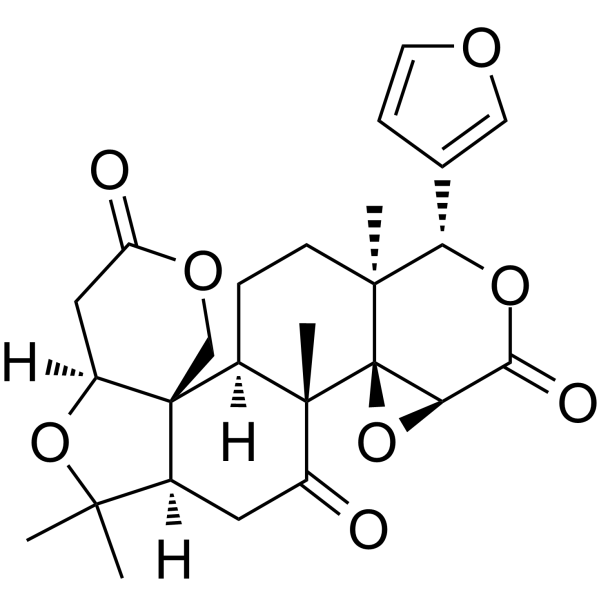
- Formula: C26H30O8
- Molecular Weight: 470.51
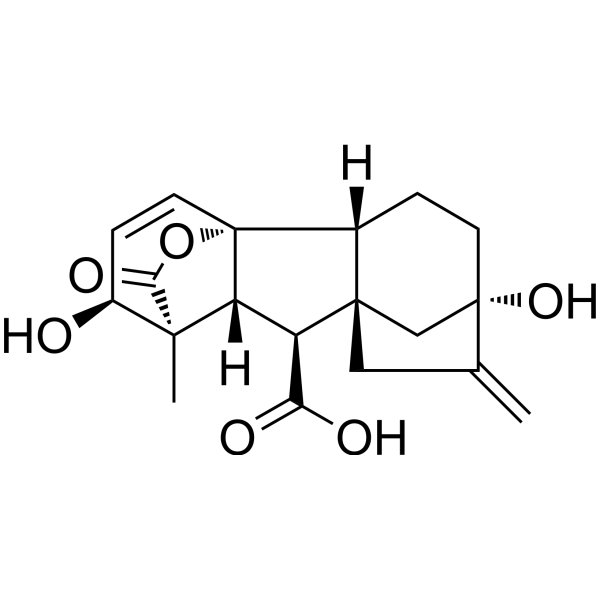
- Formula: C19H22O6
- Molecular Weight: 346.37
Gibberellic acid (GA3) is a natural plant growth regulator with oral bioactivity. Gibberellic acid governs multiple plant developmental events, including seed germination, cell elongation, floral organ formation, and rice spikelet fertility. Gibberellic acid optimizes root morphology and secondary metabolite production in Echinacea purpurea hairy roots, and serves as a bioactive seed priming agent to improve chilling stress tolerance in chickpea. Gibberellic acid mediates modulation of enzyme activity and secondary metabolism in plants and exerts tissue-specific regulatory effects on antioxidant systems and lipid peroxidation in rats. Gibberellic acid can be used in studies of plant growth, metabolism, and abiotic stress responses.
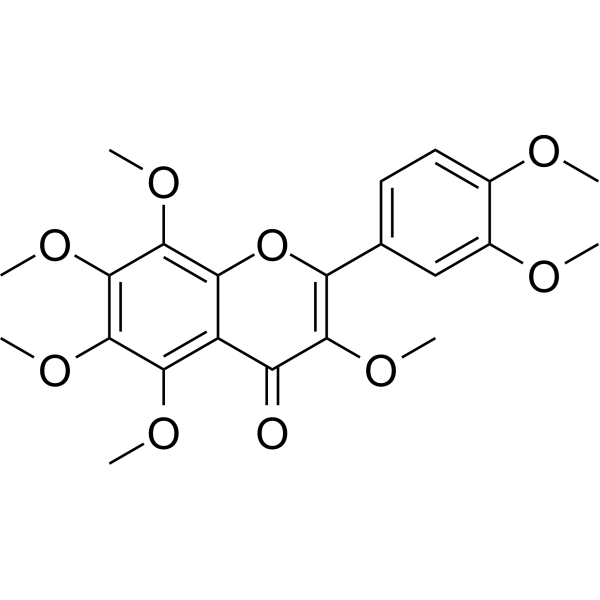
- Formula: C22H24O9
- Molecular Weight: 432.42
3,5,6,7,8,3',4'-Heptemthoxyflavone, a flavonoid from satsuma peel, is an orally available CREB activator with anti-tumor and anti-neuroinflammatory activity. 3,5,6,7,8,3',4'-Heptemthoxyflavone inhibits collagenase activity and increases the content of type I procollagen in human dermal fibroblast neoblast (HDFn) cells. 3,5,6,7,8,3',4'-Heptemthoxyflavone induces brain-derived neurotrophic factor (BDNF) expression through the cAMP/ERK/CREB signaling pathway and reduces phosphodiesterase activity in C6 glioma.

- Formula: C26H30O8
- Molecular Weight: 470.51
Limonin (Standard) is the analytical standard of Limonin. This product is intended for research and analytical applications. Limonin inhibits HIV-1 with an EC50 of 60.0 μM. Limonin induces human colon adenocarcinoma cells apoptosis with an IC50 of 54.74 μM. Limonin has antiviral and antitumor activities.

- Formula: C22H24O9
- Molecular Weight: 432.42
3,5,6,7,8,3',4'-Heptemthoxyflavone (Standard) is the analytical standard of 3,5,6,7,8,3',4'-Heptemthoxyflavone (HY-N2038). This product is intended for research and analytical applications. 3,5,6,7,8,3',4'-Heptemthoxyflavone, a flavonoid from satsuma peel, is an orally available CREB activator with anti-tumor and anti-neuroinflammatory activity. 3,5,6,7,8,3',4'-Heptemthoxyflavone inhibits collagenase activity and increases the content of type I procollagen in human dermal fibroblast neoblast (HDFn) cells. 3,5,6,7,8,3',4'-Heptemthoxyflavone induces brain-derived neurotrophic factor (BDNF) expression through the cAMP/ERK/CREB signaling pathway and reduces phosphodiesterase activity in C6 glioma.
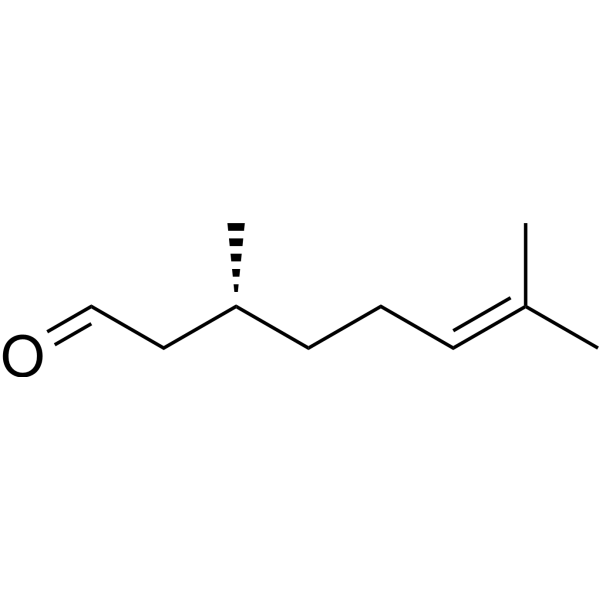
- Formula: C10H18O
- Molecular Weight: 154.25
(R)-(+)-Citronellal ((+)-Citronellal) is a monoterpenoid compound and is one of the main components of essential oils from plants such as lemon grass. (R)-(+)-Citronellal has antibacterial, antifungal, and insecticidal activities. (R)-(+)-Citronellal alleviates the bitterness of caffeine by antagonizing the bitter taste receptors Tas2r43 (IC50 = 84 μM) and Tas2R46. (R)-(+)-Citronellal generates analgesic activity by activating the opioid receptor (broad-spectrum opioid receptor) pathway, and its effect is particularly significant for inflammatory pain.
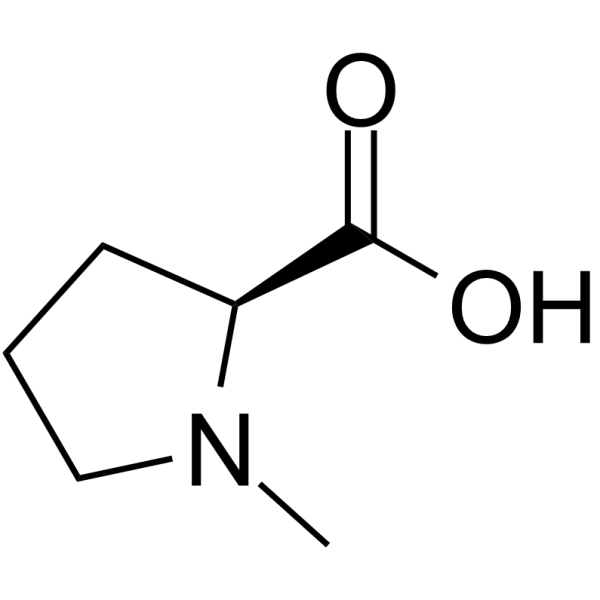
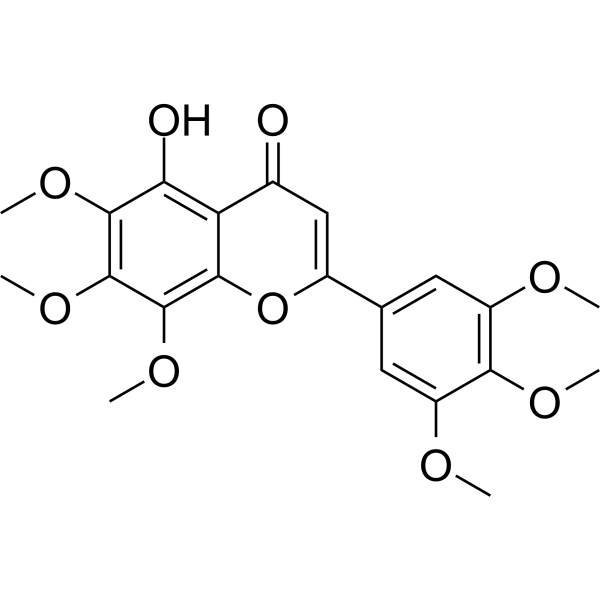
- Formula: C21H22O9
- Molecular Weight: 418.39
Gardenin A is an orally active and synthetic PMF analogue with the neurotrophic effect for neurite outgrowth and neuronal differentiation. Gardenin A promotes neuritogenesis via activating MAPK/ERK, PKC, and PKA, but not TrkA, CREB signaling pathways. Gardenin A also has sedative, anxiolytic, antidepressant, and anticonvulsant effects.
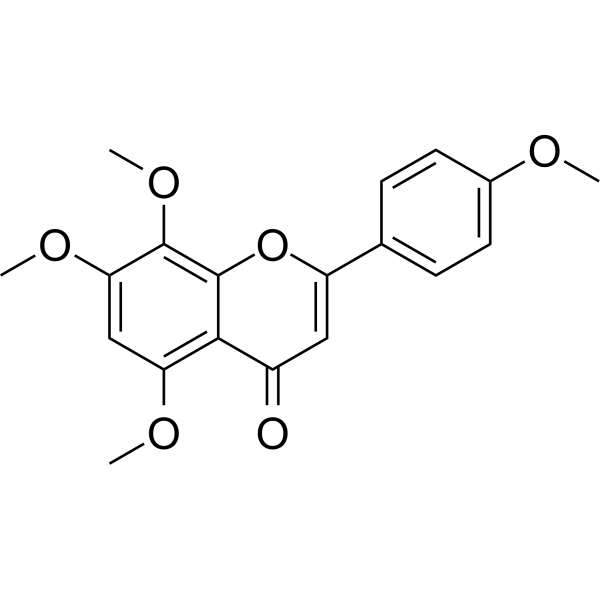
- Formula: C19H18O6
- Molecular Weight: 342.34
6-Demethoxytangeretin is a flavonoid compound that can be isolated from Citrus reticulata. 6-Demethoxytangeretin has anti-inflammatory and anti-allergic activities and can inhibit the production of IL-6 and the expression of related genes in human mast cells through the ALK and MAPK pathways. 6-Demethoxytangeretin can promote CRE-mediated transcription in hippocampal neurons.
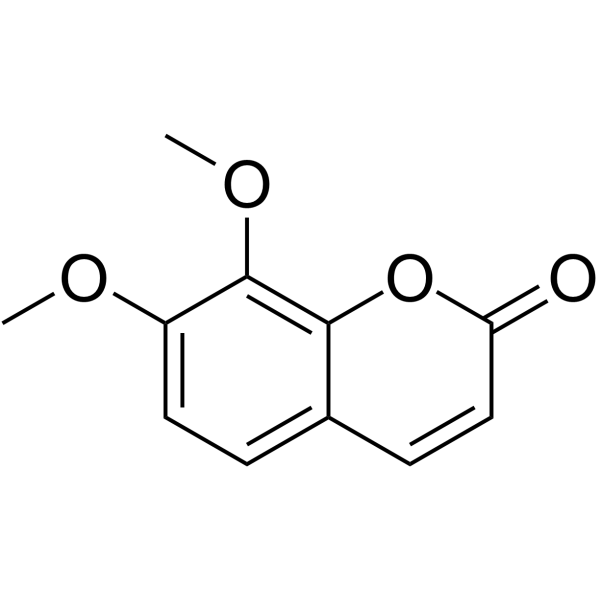
- Formula: C11H10O4
- Molecular Weight: 206.19
7,8-Dimethoxycoumarin is a coumarin compound derived from Artemisia caruifolia with oral activity. 7,8-Dimethoxycoumarin inhibits mitochondrial permeability transition pore and H+/K+-ATPase, and exhibits antioxidant, anti-inflammatory, renoprotective, neuroprotective and gastroprotective effects. 7,8-Dimethoxycoumarin reduces lipid peroxidation (TBARS), increases GSH levels, inhibits myeloperoxidase (MPO) activity, and regulates the expression of inflammatory factors by inhibiting the NF‑κB and MAPK pathways. 7,8-Dimethoxycoumarin ameliorates gastric mucosal injury, alleviates renal tissue lesions and relieves neuropathic pain. 7,8-Dimethoxycoumarin can be used in studies related to acute renal failure, trigeminal neuralgia and gastritis.
Pectic acid (Methyl protopectin), a polygalacturonic acid, induces cell apoptosis and necrosis in pituitary tumor cells. Pectic acid can be used in the research of cancers and autoimmune disease.
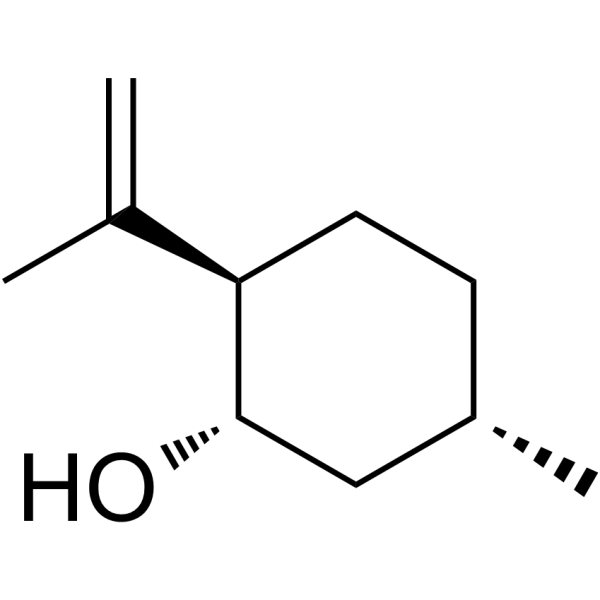
- Formula: C10H18O
- Molecular Weight: 154.25
(+)-Isopulegol is a terpenoid found in Mentha canadensis L. (+)-Isopulegol shows phagostimulatory activity towards adults of S. granarius and T. confusum. (+)-Isopulegol is a feeding attractant for adults of T. confusum and T. granarium larvae.


- Formula: C₂₁H₂₂O₈
- Molecular Weight: 402.39
Nobiletin (Standard) is the analytical standard of Nobiletin. This product is intended for research and analytical applications. Nobiletin is a poly-methoxylated flavone from the citrus peel that improves memory loss. Nobiletin is a retinoid acid receptor-related orphan receptors (RORs) agonist. Nobiletin can reduce reactive oxygen species (ROS) levels in differentiated C2C12 myotubes and has anti-inflammation and anti-cancer properties, including anti-angiogenesis, anti-proliferation, anti-metastasis and induced apoptosis.


- Formula: C36H53N7O9
- Molecular Weight: 727.85

- Formula: C13H15NO3
- Molecular Weight: 233.26
Citaldoxime (Compound 7) is a γ-radiation-induced antifungal stress metabolite that can be found in Citrus plants.
- 1
- 2



